
CopyDeskAI™ Battles AI Fakes Threatening Global Newsrooms
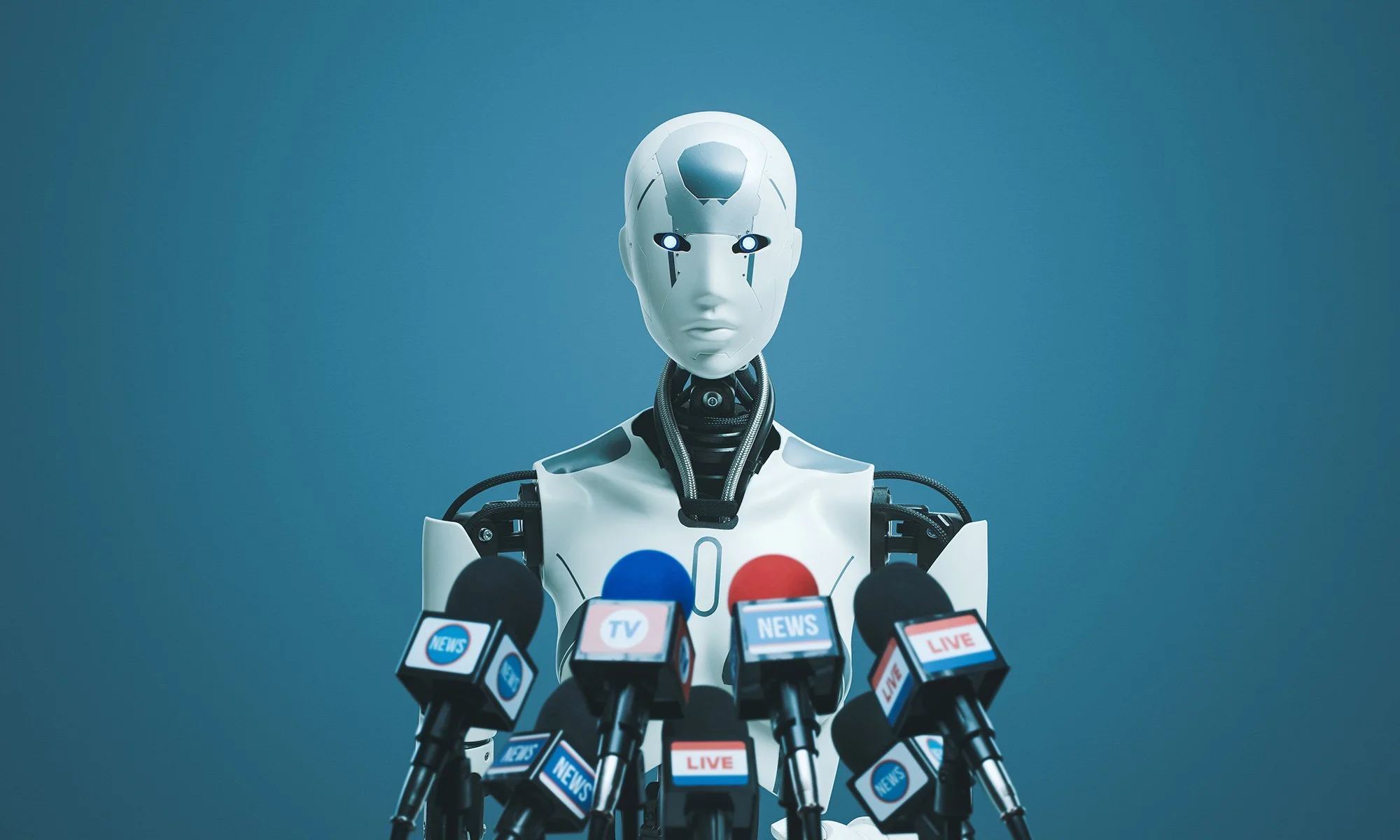
The digital age’s newest threat to journalism isn’t just partisan spin or bad sources, it’s fabricated narratives and manipulated visuals that are so sophisticated even experienced editors are being fooled. From AI generated photos of world leaders to trusted journalists publishing invented quotes, the traditional news cycle is facing an unprecedented verification crisis.
“Today, the speed and sophistication of fake news means newsrooms can no longer react, they have to anticipate,” said Craig Harris, Founder & CEO of Lookatmedia™. “CopyDeskAI™ gives editors real-time tools to spot emerging false stories, whether in text or visuals, before they reach millions.”
When Journalists Themselves Are Tripped Up by AI Fabrications
In one of the latest examples, a senior European journalist was suspended after publishing fabricated quotes generated by artificial intelligence. The reporter acknowledged including false statements in his newsletter that subjects later denied ever making, sparking internal investigations and fresh debate about newsroom AI policies. (The Guardian)
Just months earlier, a popular news app in the United States published a completely false local shooting story that was later confirmed not to have happened at all. Officials had to publicly reassure residents that “nothing even similar to this story occurred,” after the app’s AI augmented content was widely read. (Ars Technica)
AI Generated Visuals Blurring Truth and Fiction
Text isn’t the only medium under siege, images and videos are now being weaponized too.
Recently, AI generated visuals falsely showing Venezuela’s president as captured and detained by foreign forces circulated widely on social media, blending real war footage with fabricated images that millions of users consumed before fact checkers intervened. (The Guardian)
Similarly, a string of doctored photos of New York City’s mayor with discredited individuals, entirely AI generated, prompted corrections from fact checkers after the fake images spread online. (AP News)
Even seemingly innocuous community visuals can be manipulated: A false image of basketball hoops being removed in a Texas park sparked confusion before city officials confirmed it was an AI fabrication. (Beaumont Enterprise)
Experts warn that as generative AI tools become more accessible, anyone can produce convincing deepfakes and alter historical or contemporary scenes to mislead audiences, eroding trust in visuals once considered reliable evidence. (DISA)
The Risk of Misleading Misinformation in High Impact Moments
The danger isn’t limited to isolated local stories. During crises such as the Bondi Beach tragedy, false AI produced posts portrayed victims in staged scenarios or misattributed heroic witnesses, amplifying conspiracy theories and complicating factual reporting. (The Australian)
Across the globe, authorities in the UAE have arrested dozens of individuals believed to be spreading AI generated videos of war events that authorities say caused public panic, highlighting how misleading visual content can escalate tensions during conflict. (The Economic Times)
Why Traditional Verification Isn’t Enough
Newsrooms have long relied on editorial checklists, human fact checkers, and third party verification services, but the pace and sophistication of AI driven misinformation exceed what traditional approaches can reliably catch. A recent study of photo editors across major outlets found widespread concern about unwittingly using AI generated or altered images, and many had already encountered cases abroad. (AAP News)
The sheer volume of content, text, video, images, now circulating online means reporters often play catch up rather than staying ahead of emerging fake narratives.
Enter CopyDeskAI™: Real Time Narrative and Visual Intelligence
Against this backdrop, a new class of newsroom AI is emerging, not just to generate content, but to scrutinize it.
CopyDeskAI™, a content creation and media intelligence platform developed by Lookatmedia™, compares incoming articles and social posts against a vast corpus of verified journalistic writing. By analysing language patterns, tone, citation structures, and stylistic nuance, and contrasting them with trusted sources, CopyDeskAI™ can flag content that linguistically diverges from genuine reporting, even before it’s widely shared.
In parallel, the platform uses advanced visual analysis to detect whether images or videos have been AI generated, manipulated, or misrepresented, identifying subtle inconsistencies that traditional reverse image search or manual review often misses.
This dual approach, evaluating both narrative authenticity and visual legitimacy, helps editors quickly identify emerging fake narratives, prioritize verification effort, and reduce the risk of amplifying falsehoods.
A New Editor in the Newsroom?
Industry insiders say platforms like CopyDeskAI™ may soon become a staple in newsrooms, much like spell check or CMS systems. By catching fake stories and manipulated media before they spread, news organisations can protect their reputations and uphold public trust, two assets emerging content threats are actively trying to undermine.
In an age where one fabricated quote, misleading photo, or AI altered video can dominate headlines, the newsroom of the future may depend on machine intelligence not just to publish, but to preserve the truth.